

Choosing Between Wired and Wireless Headsets: What Call Centers Really Need to Know
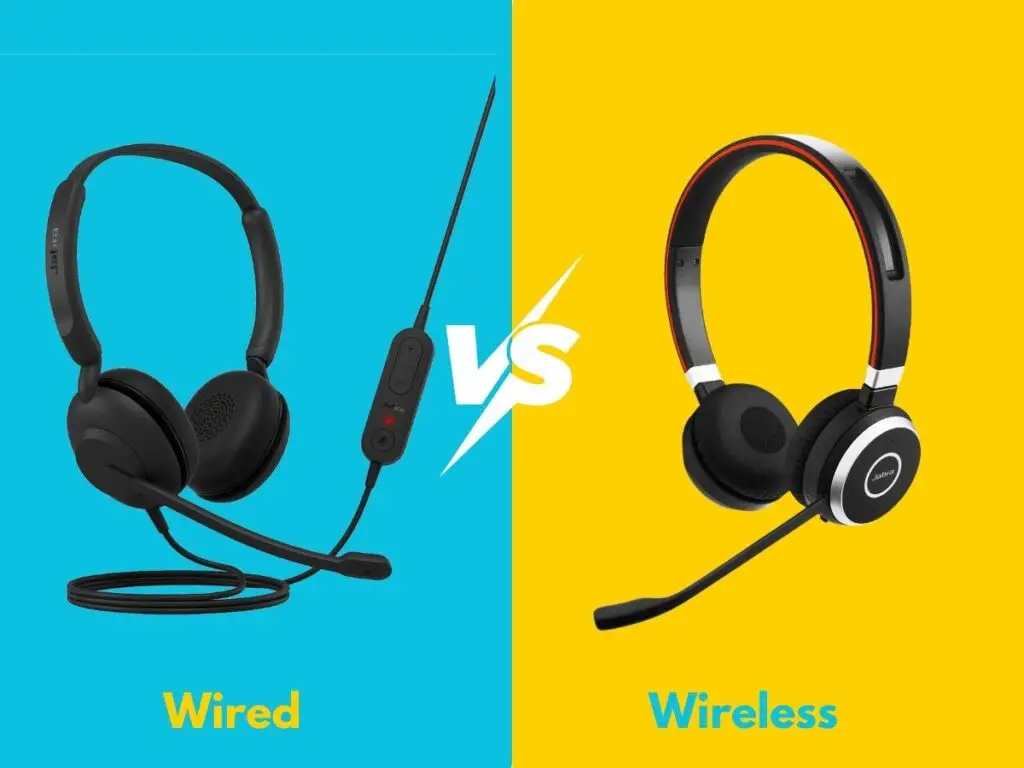
Choosing call center headsets sounds simple until you are the one making the decision. It is not just about picking something that works. You’re balancing agent comfort during long shifts, clear call quality, budget limits, and overall productivity.
Suddenly, the wired vs wireless debate isn’t just about cables. It’s about how your team actually works, hour after hour.
So instead of asking “Which headset is better?”, the smarter question is:
Which headset type makes sense for your call centre?
Let’s break it down based on real call centre realities.
Quick Answer: Wired or Wireless?
If you are short on time, here’s the honest call center headset solution most companies arrive at after experience.
- Choose wired headsets if your agents are desk-based, handle continuous calls, and reliability matters more than movement.
- Choose wireless headsets if supervisors or specialized agents need mobility, flexibility, or multi-tasking freedom.
- Choose a mix of both if your call center has frontline agents and mobile team leads.
This approach is increasingly common in modern call centers because it balances cost, comfort, and performance without forcing one solution everywhere.
Why This Decision Matters More Than You Think
In a call centre, a headset isn’t an accessory. It’s a core work tool. Agents wear it for 6-9 hours a day. Supervisors rely on it to manage teams. Customers judge your brand by what they hear through it.
A poor headset choice can lead to:
- Agent fatigue and discomfort
- Inconsistent call quality
- More technical complaints
- Higher replacement and maintenance costs
That’s why choosing between wired and wireless headsets needs more thought than just “wireless looks modern.”
Understanding the Real Difference
At a basic level:
- Wired headsets connect directly to a phone or computer using a cable.
- Wireless headsets connect via Bluetooth or DECT technology.
But in a call center environment, the difference goes far deeper into reliability, workflow, and long-term efficiency. Lets look at it.
Wired Headsets: Why They’re Still the Backbone of Many Call Centres
Despite all the buzz around wireless technology, wired headsets remain the default choice in many high-volume call centres. And there are good reasons for that.
1. Consistent, Reliable Audio All Day
Wired headsets deliver stable audio because there’s no signal transmission involved. No interference. No dropouts. No latency.
For agents handling back-to-back calls, this reliability matters more than freedom of movement. Customers hear clear voices, and agents don’t need to troubleshoot mid-call issues.
2. No Charging, No Downtime
One of the biggest operational advantages of wired headsets is simple:
They never run out of battery.
Agents can log in, work full shifts, and log out without worrying about charging schedules or dead headsets during peak hours.
For managers, this means:
- Fewer interruptions
- Less inventory management
No spare batteries to track
3. Cost-Effective for Large Teams
When you’re equipping 50, 100, or 500 agents, costs add up quickly.
Wired headsets:
- Have a lower upfront cost
- They are easier to replace
- Reduce long-term maintenance expenses
This makes them especially practical for large, desk-based teams with fixed workflows.
4. Simple Setup and Easy Desk Switching
Wired headsets are mostly plug-and-play.
No pairing. No syncing. No training required.
In environments with hot-desking or rotating shifts, agents can move desks quickly without IT intervention.
When Wired Headsets Make the Most Sense
Wired headsets work best when:
- Agents are desk-bound
- Call volumes are high and continuous
- Reliability is more important than mobility
- Budgets need to stay controlled
Wireless Headsets: Where They Truly Add Value
Wireless headsets aren’t just a trend. In the right setup, they can genuinely improve comfort and efficiency.
The key is knowing where they add value and where they don’t.
1. Freedom to Move Without Ending the Call
Wireless headsets give agents and supervisors the ability to move naturally during calls, which is especially helpful during long or high-pressure conversations. This freedom supports both physical comfort and smoother workflows.
- Agents can stand, stretch, or walk short distances without disconnecting, reducing stiffness during long shifts.
- Team members can quickly consult a colleague, grab documents, or move to a quieter spot while staying on the call.
- Hands-free mobility allows agents to multitask, such as taking notes or navigating systems more efficiently.
This flexibility can reduce physical fatigue, especially during long shifts.
2. Better for Supervisors and Team Leads
Supervisors often move between desks, handle escalations, or multitask while staying available.
For them, wireless headsets are extremely practical:
- Wireless headsets allow supervisors to move between workstations while staying connected to live calls or escalations.
- They can monitor conversations, join calls for coaching, or handle urgent queries without being desk-bound.
- This improves responsiveness and support without interrupting daily operations.
3. Modern Features That Support Hybrid Work
Wireless headsets are designed for flexible and multi-platform environments.
- Features like active noise cancellation and noise-cancelling microphones help maintain clarity even in busy offices.
- Multi-device connectivity allows easy switching between computers, desk phones, and mobile devices.
- Native integration with platforms like Microsoft Teams and Zoom supports hybrid and omnichannel workflows.
These features are useful in hybrid or flexible work environments, where agents may switch between systems or locations.
4. Improved Comfort for Certain Roles
Not all call centre roles involve constant calls. Some require fewer but longer conversations.
- Wireless headsets often use lightweight frames, softer ear cushions, and balanced pressure distribution.
- This design helps reduce neck strain, ear fatigue, and discomfort during extended conversations.
- Better comfort can lead to improved focus and reduced physical stress over time.
5. Cleaner Workspaces and Better Well-Being
Wireless setups also impact the overall work environment.
- Removing cables reduces desk clutter and creates a cleaner, more professional workspace.
- Improved posture and reduced physical strain can support agents well-being and reduce fatigue-related downtime.
- Over time, this contributes to better morale and more sustainable productivity.
Wireless headsets offer clear advantages for mobility, supervision, hybrid workflows, and comfort, particularly for team leads and flexible roles.
However, these benefits must be balanced against factors like below
- Battery dependency
- Higher upfront cost
- Potential interference in busy offices
- Battery degradation over time
These aren’t deal-breakers, but they do require planning. This is why understanding your call centre’s real operating needs is important before choosing.
What to Check Before Choosing a Call Centre Headset
Before deciding between wired and wireless, it’s important to step back and look at how your call centre actually operates. These factors matter far more than the features listed on a product page.
Noise Environment
If your call centre is busy, loud, or has closely placed workstations, a top-quality noise-cancelling headset becomes a top priority.
Wired headsets usually perform consistently in noisy environments because there’s no wireless interference. Wireless headsets can still work well, but they need strong noise-cancelling microphones and stable connectivity to avoid audio distortion during peak hours.
Call Duration per Agent
Agents handling long, back-to-back calls need headsets that stay reliable for an entire shift.
Wired headsets are often preferred in high-volume environments because they don’t rely on batteries.
Wireless headsets may offer more freedom of movement, but managing charging cycles and battery health becomes an operational challenge when agents are on calls for hours at a stretch.
UC Platform Compatibility
Not all headsets work equally well with every communication platform. Before choosing, check whether the headset is:
- Certified for Microsoft Teams
- Optimised for Zoom or Google Meet
- Compatible with Avaya, Cisco, or other PBX systems
This reduces call control issues, echo problems, and IT support tickets later.
Replacement & Maintenance Cost
Headsets are long-term operational tools, not one-time purchases.
Wired headsets usually cost less to replace and maintain. Wireless headsets have higher upfront costs and may need battery replacements over time. For large teams, this difference can significantly impact the total cost of ownership.
Agent Turnover Rate
If your call centre has frequent staff changes, simplicity matters.
Wired headsets are easier to issue, reuse, and redeploy. Wireless headsets may require pairing, user training, and accessory tracking, which can slow down onboarding in high-turnover environments.
Top Headset Brands Used in Call Centers
Most call centres choose headset brands based on reliability, UC compatibility, and long-term support, rather than individual models. The brands below are commonly used in enterprise and customer support environments for these reasons.



Jabra
Known for clear voice pickup and strong compatibility with platforms like Microsoft Teams and Zoom.
Yealink
Commonly chosen for cost-effective scalability, especially in Microsoft Teams-focused setups.
Poly
Trusted for durable designs and consistent audio performance in high-volume call centre operations.
A Smarter Approach: One Size Doesn’t Fit All
Many modern call centres are moving away from a single headset policy. A more effective approach looks like below:
Wired headsets for frontline agents handling continuous calls
Wireless headsets for supervisors and specialised roles
Hybrid setups for flexible or remote teams
This balances cost, comfort, and performance without compromising reliability.
Wired vs Wireless Call Centre Headsets: Comparison Table
| Feature | Wired Headsets | Wireless Headsets |
|---|---|---|
| Audio reliability | Very high, no interference | High, but depends on environment |
| Mobility | Limited to desk | Allows movement during calls |
| Battery requirement | Not required | Requires charging |
| Cost per unit | Lower | Higher |
| Best for | High-volume desk agents | Supervisors, flexible roles |
| Maintenance | Simple, low cost | Battery & accessory management |
| Setup | Plug and Play | Pairing and configuration |
Industry Best Practices
Across enterprise call centres, a few industry practices are widely followed:
Desk-based agents are usually equipped with wired headsets to ensure uninterrupted audio and lower operational costs.
Supervisors and team leads often use wireless DECT headsets to stay connected while moving across the floor.
UC-certified headsets are increasingly preferred to ensure compatibility with platforms like Microsoft Teams and Cisco.
Major enterprise brands like Poly, Jabra, and Yealink consistently recommend role-based headset deployment rather than a single solution for all users.
FAQ
No, 100% noise cancellation is not possible with current technology. Noise-cancelling headsets reduce background sounds but cannot eliminate all noise, especially voices and sudden sounds.
Some wireless headphones support wired use with an audio cable, but many professional wireless headsets do not. Always check the model specifications, as battery-dependent headsets may stop working when power runs out.
No, 100% noise cancellation is not possible with current technology. Noise-cancelling headsets reduce background sounds but cannot eliminate all noise, especially voices and sudden sounds.
Wired headphones usually last longer because they don’t rely on batteries that degrade over time. Wireless headphones tend to have a shorter lifespan due to battery wear, even if the hardware remains functional.
Final Takeaway: Choose Based on Reality, Not Hype
There’s no universal winner in the wired vs wireless debate.
- Wired headsets win on reliability, cost control, and simplicity.
- Wireless headsets win on flexibility, comfort, and modern workflows.
The best call centres don’t choose what looks advanced.
They choose what supports their people, processes, and customers, day after day. If you understand how your team actually works, the right headset choice becomes clear.
If you’re still weighing wired versus wireless headsets for your call center, speak with Zeal Global’s solutions expert. We can help you choose the best product based on your business needs and budget and avoid costly trial-and-error decisions.